

Peak Demand Reduction Scheme NSW: What Businesses Can Claim
Introduced in 2022 and extending until 2050, The Peak Demand Reduction Scheme (PDRS) is an initiative aimed at reducing peak electricity demand in the state of NSW. The overall purpose of The PDRS is to reduce peak demand on the grid.
Both businesses and households can access financial incentives for a range of activities. Most notably, these include the use of air conditioners, pool pumps, virtual power plants (VPPS) and batteries for apartment buildings or businesses.
According to official estimates, The Scheme will translate to savings of up to $1.2 billion on bills and help to reduce emissions by 70% by 2035 (NSW Climate and Energy Action).
In this article, we’ll take an in-depth look at the Peak Demand Reduction Scheme, as well as what NSW businesses can claim. Read on for a detailed breakdown.
Business incentives at a glance
| Upgrade | Potential incentive | Main qualification |
| Commercial battery | Indicative 20-30% installation discount; 30-40% with qualifying new solar | Eligible NSW business and total battery capacity of 20 kWh to 30 MWh (NSW Government – Batteries for businesses incentive) |
| Air conditioning | DIscount on an eligible installation or replacement | Equipment and installation must meet the applicable activity requirements( IPART – Peak Saving activity list) |
| Pool pump | Incentive for an eligible pump installation or replacement | Confirm eligibility under the residential and small business activity (NSW Government – Pool pump eligibility) |
| Virtual power plant | Separate incentive for qualifying enrolment | Eligible batteries up to 50 kWh and qualifying participation conditions (NSW Government – Virtual power plant incentive) |
How the Peak Demand Reduction Scheme Works
The PDRS encourages businesses and households to reduce electricity demand during summer afternoons and evenings, which is when pressure on the NSW electricity grid tends to be highest.
The scheme works by setting peak demand reduction targets for electricity retailers and certain large electricity users. To meet these obligations, participants either purchase or surrender Peak Reduction Certificates (PRCs).
What Are Peak Reduction Certificates?
A PRC is a tradeable certificate representing 0.1 kilowatts of peak demand reduction capacity, and this is averaged over one hour during the summer peak period.
The relevant period runs from:
- Dates: 1 November to 31 March.
- Standard time: 2:30 pm to 8:30 pm Australian Eastern Standard Time.
- Daylight saving: 3:30 pm to 9:30 pm Australian Eastern Daylight Time.
Accredited Certificate Providers (ACPs) create PRCs from eligible activities that reduce peak demand (including those mentioned at the beginning of this article). They may then sell the certificates to electricity retailers and other eligible buyers.
Who Administers the Scheme?
In terms of administering the scheme, there are Two NSW government bodies who each have distinct responsibilities:
- Independent Pricing and Regulatory Tribunal (IPART): Administers and regulates the scheme, accredits providers, manages the certificate registry and monitors compliance.
- NSW Department of Climate Change, Energy, the Environment and Water (DCCEEW): Develops the policy framework, legislation and scheme rules.
Sources: NSW Government: Peak Demand Reduction Scheme and Energy Sustainability Schemes: About the PDRS.
What Can NSW Businesses Claim Under the PDRS?
The available incentive depends on the equipment, installation and activity involved. Eligible activities have included energy-efficient air conditioning, pool pump upgrades and battery-related installations.
1. Commercial Battery Storage
Commercial battery storage is particularly relevant to businesses looking to manage electricity costs and make better use of solar generation.
Under the NSW Government’s battery incentive, eligible businesses may receive an upfront discount on a new battery installation.
Indicative incentives
- Battery installed on its own: Around 20% to 30% of installation costs.
- Battery installed with new or additional solar capacity: Around 30% to 40% of installation costs.
These figures are indicative, not guaranteed rebates. The amount depends on the installation and applicable scheme requirements.
Which installations may qualify?
The business incentive covers eligible battery systems with a total capacity between 20 kWh and 30 MWh. Specific requirements apply to system size, approved products, installation and fire safety.
To qualify for a higher indicative discount, the additional solar capacity must meet the scheme’s requirements. Generally, new or additional solar capacity must be installed within 90 days before or after the battery installation.
Businesses should confirm their eligibility and available discount with a participating installer before committing to a project, and the Energus team will be more than happy to do so.
2. Energy-Efficient Air Conditioning
Commercial air conditioning systems often account for a substantial share of a building’s electricity use, particularly during hot weather.
An eligible upgrade may provide an upfront discount through an accredited provider. Businesses should check the current requirements, as not every replacement system qualifies.
Before proceeding, consider:
- The efficiency and age of the existing system.
- The proposed replacement’s eligibility under the PDRS.
- The upfront cost and expected electricity savings.
- Whether the upgrade fits into a broader commercial energy project.
3. Pool Pump Upgrades
Hotels, gyms, aquatic centres and other businesses operating swimming pools may qualify for incentives when installing eligible energy-efficient pool pumps.
Pool pumps often run for extended periods, making their electricity consumption worth reviewing.
Businesses should confirm that the proposed pump and installation meet the current PDRS requirements before purchasing equipment.
4. Virtual Power Plants (VPPs)
A virtual power plant connects energy assets, such as batteries, so they can be coordinated to respond to electricity demand and grid conditions.
For participating businesses, a VPP may provide another way to make use of battery storage. Depending on the arrangement, connected batteries may be called on to supply electricity or adjust their operation during periods of high demand.
Before joining a VPP, businesses should review:
- The program’s eligibility requirements.
- When the operator may control or dispatch stored electricity.
- Any payment arrangements or participation obligations.
- How participation affects the site’s own energy needs.
Eligibility and financial benefits depend on the specific program and current scheme rules.
How Commercial Batteries Benefit Businesses
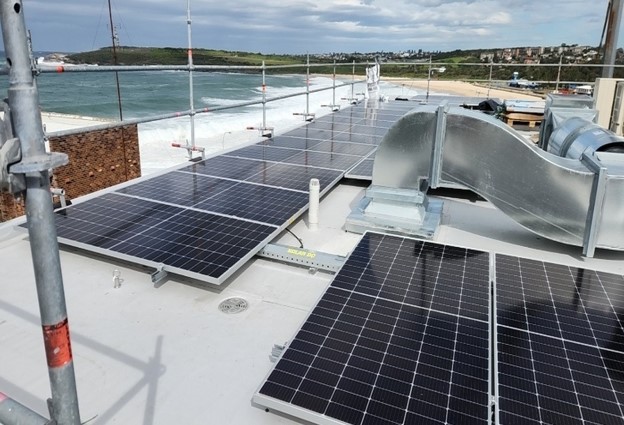
Alongside any eligible upfront incentive, battery storage may help a business:
- Store surplus solar electricity for use later in the day.
- Reduce grid electricity consumption during peak periods.
- Manage demand charges, depending on the electricity tariff.
- Make better use of existing or newly installed solar panels.
The financial benefits depend on the site’s energy consumption, tariff structure, solar generation and battery configuration.
At Energus, we’re proud to provide commercial battery storage solutions and C&I solar services across Australia. Businesses considering an installation may benefit from assessing their solar and storage requirements together.
Source: NSW Government: Batteries for businesses incentive.
How Businesses Access PDRS Incentives
Accredited Certificate Providers play an important role in delivering incentives under the scheme. They arrange eligible activities and create PRCs in accordance with the applicable rules.
The process generally involves these steps:
- Check eligibility: Confirm that the equipment or activity qualifies under the current PDRS rules.
- Contact an accredited provider: Discuss the proposed upgrade and the discount available.
- Confirm the nomination arrangements:. The ACP must be the nominated capacity holder on or before the implementation date.
- Complete the installation: The work and equipment must satisfy the relevant requirements.
- Register the certificates: The provider creates and registers PRCs through the scheme’s registry.
Businesses should clarify any nomination forms, discount terms and other conditions before proceeding.
Source: Energy Sustainability Schemes: Peak Reduction Certificates.
Other Government Support for Energy Upgrades
The PDRS forms part of a broader NSW government effort to improve energy efficiency and reduce pressure on the electricity grid.
Other initiatives have supported:
- Energy-efficient appliance upgrades.
- Discounts on selected equipment for households and small businesses.
However, programs change over time. Funding announced in an earlier policy paper does not necessarily remain available today.
Businesses should check the current eligibility criteria and funding status of each program before including a rebate in their project budget.
Source: NSW Government, Energy Security Safeguard Position Paper.

Ready to explore your options for commercial solar in Sydney? We approach every project with a commitment to deliver on time, on budget, safely, with attention to quality – all at a competitive price. Follow this link to get your free quote today!
How to Assess Your Business’s Eligibility
Before investing in an energy upgrade, review the following:
- Electricity bills: Identify periods of high consumption and demand charges.
- Existing equipment: Determine whether air conditioning, pool pumps or other equipment may qualify for an upgrade incentive.
- Solar and storage potential: Assess whether commercial solar or battery storage could help reduce grid consumption.
- Scheme requirements: Confirm the current eligibility rules with an accredited provider.
- Project costs: Compare installation costs, likely energy savings, maintenance and any confirmed incentives.
A PDRS discount is one part of the financial assessment. The long-term value of an upgrade also depends on how the equipment performs and how well it suits the business’s energy needs.
Explore Commercial Battery Storage and C&I Solar with Energus
Based in NSW? Want to take part in the Peak Demand Reduction Scheme? Energus is here to help.
At Energus, we offer innovative commercial battery storage solutions and C&I solar services across Australia. This includes a detailed project assessment, where our experts can help you understand how solar generation, battery capacity and electricity consumption work together.
Here’s why businesses across the country put their trust in our team:
- 100MW solar delivered across Australia
- Top 3 C&I solar retailer nationally
- 1,800+ pricing quotations completed
- 5-year workmanship warranty on every commercial and industrial solar installation
- Electrical licences held in NSW, QLD and SA
- ISO 9001:2016 and ISO 45001:2018 certified
- CEC Member · Master Electricians of Australia · New Energy Tech Approved Seller
Here here for further information on commercial battery storage and learn more about the possibilities available for your commercial and industrial sites.
Frequently Asked Questions
Which NSW businesses are eligible for PDRS incentives?
Eligibility depends on the activity, equipment and current scheme rules. Businesses considering air conditioning, pool pump or battery upgrades should check the requirements with an accredited provider.
How much can a business claim for commercial battery storage?
Eligible businesses may receive an indicative discount of around 20% to 30% for a battery installed on its own, or around 30% to 40% when installing a battery with eligible new or additional solar capacity. The actual discount depends on the installation and scheme requirements.
When does the PDRS peak period apply?
The summer peak period runs from 1 November to 31 March, between 2:30 pm and 8:30 pm Australian Eastern Standard Time, or 3:30 pm to 9:30 pm during daylight saving.
Who creates Peak Reduction Certificates?
Accredited Certificate Providers create and register PRCs for eligible activities, provided they meet the scheme’s requirements and hold the necessary capacity-holder rights.
Can a business combine PDRS incentives with commercial solar and battery storage?
Potentially. Eligible battery installations may qualify for a higher indicative discount when combined with new or additional solar capacity. The project must meet the scheme’s requirements, and businesses should confirm eligibility before relying on a combined incentive.